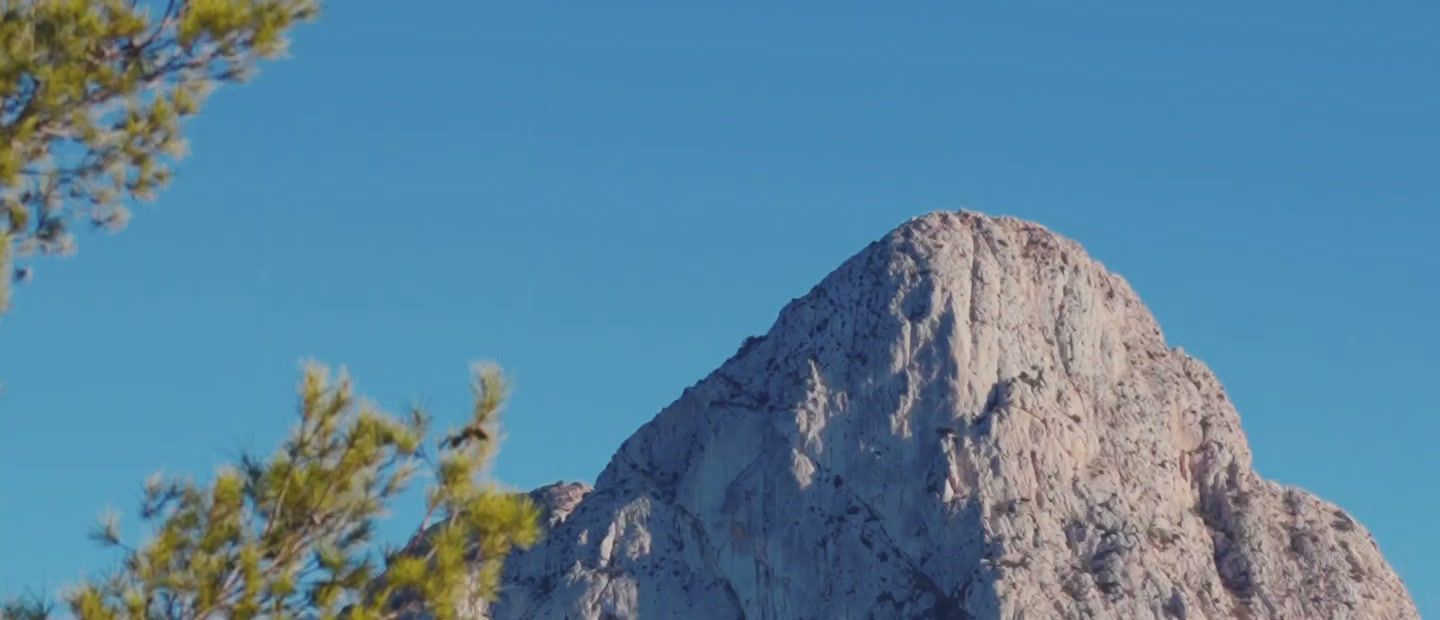
Calp from our front door
The salt lake on one side, the Ifach ahead, the old town and the harbour within reach. Here is what the family tells guests to do first.
The Salinas
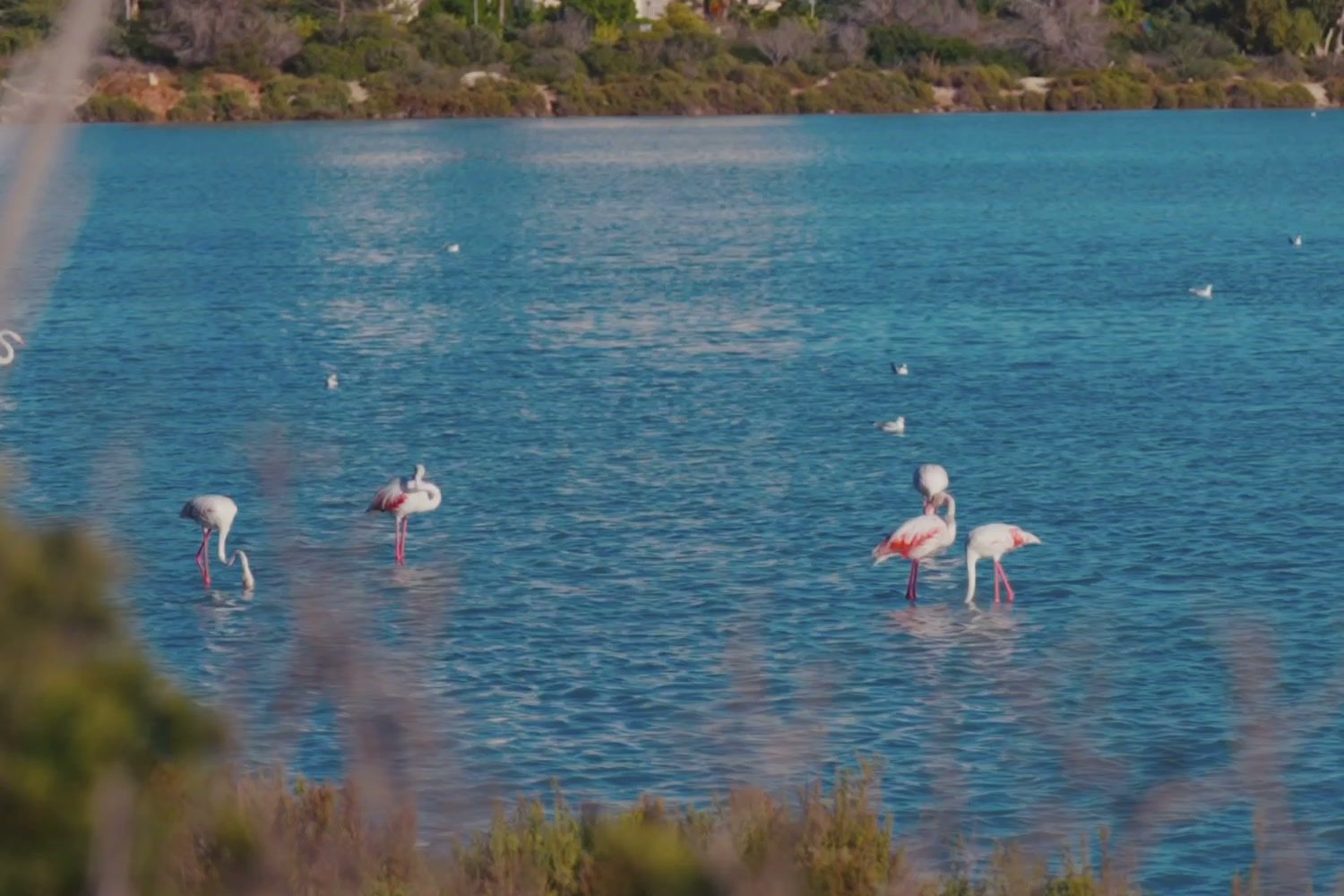
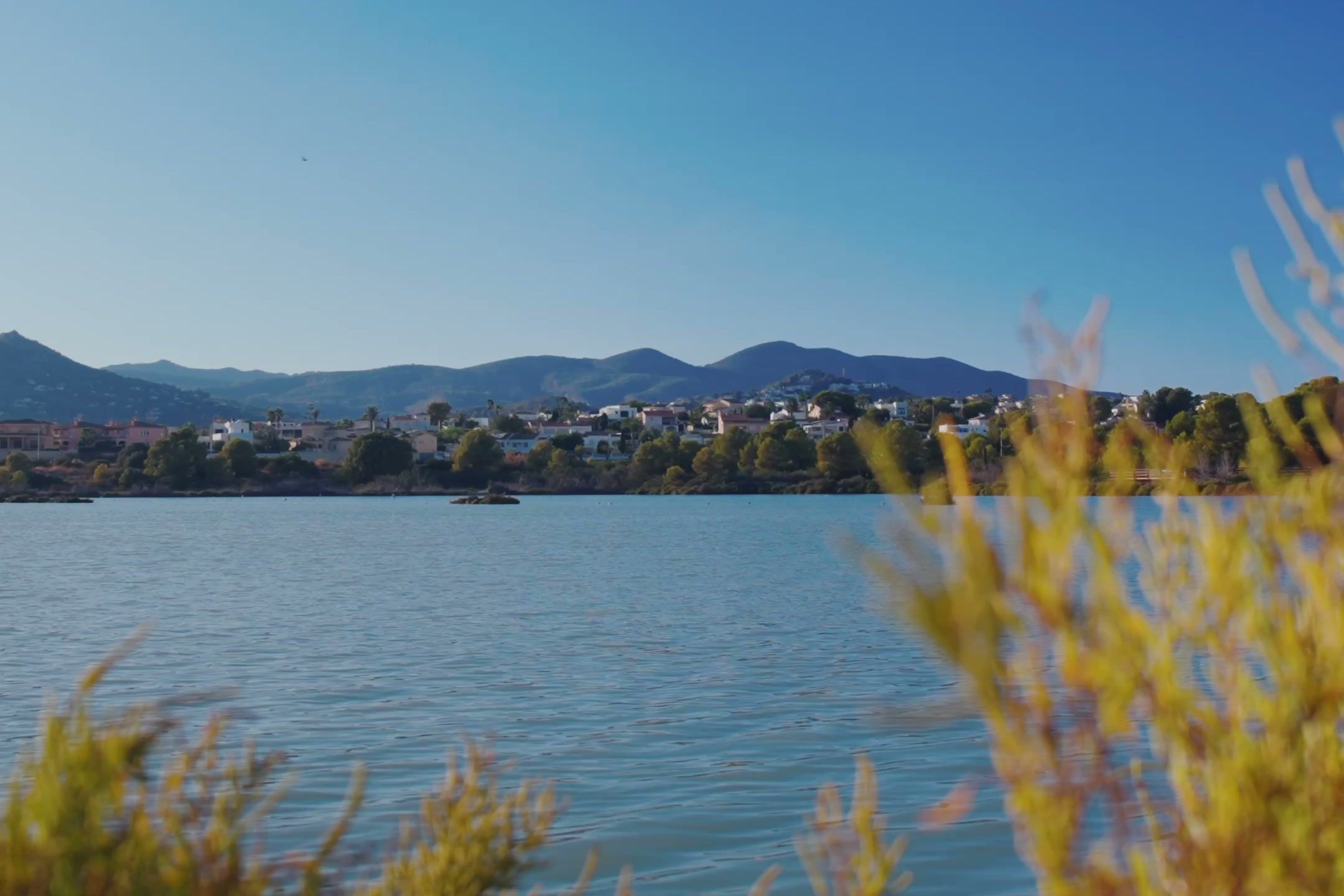
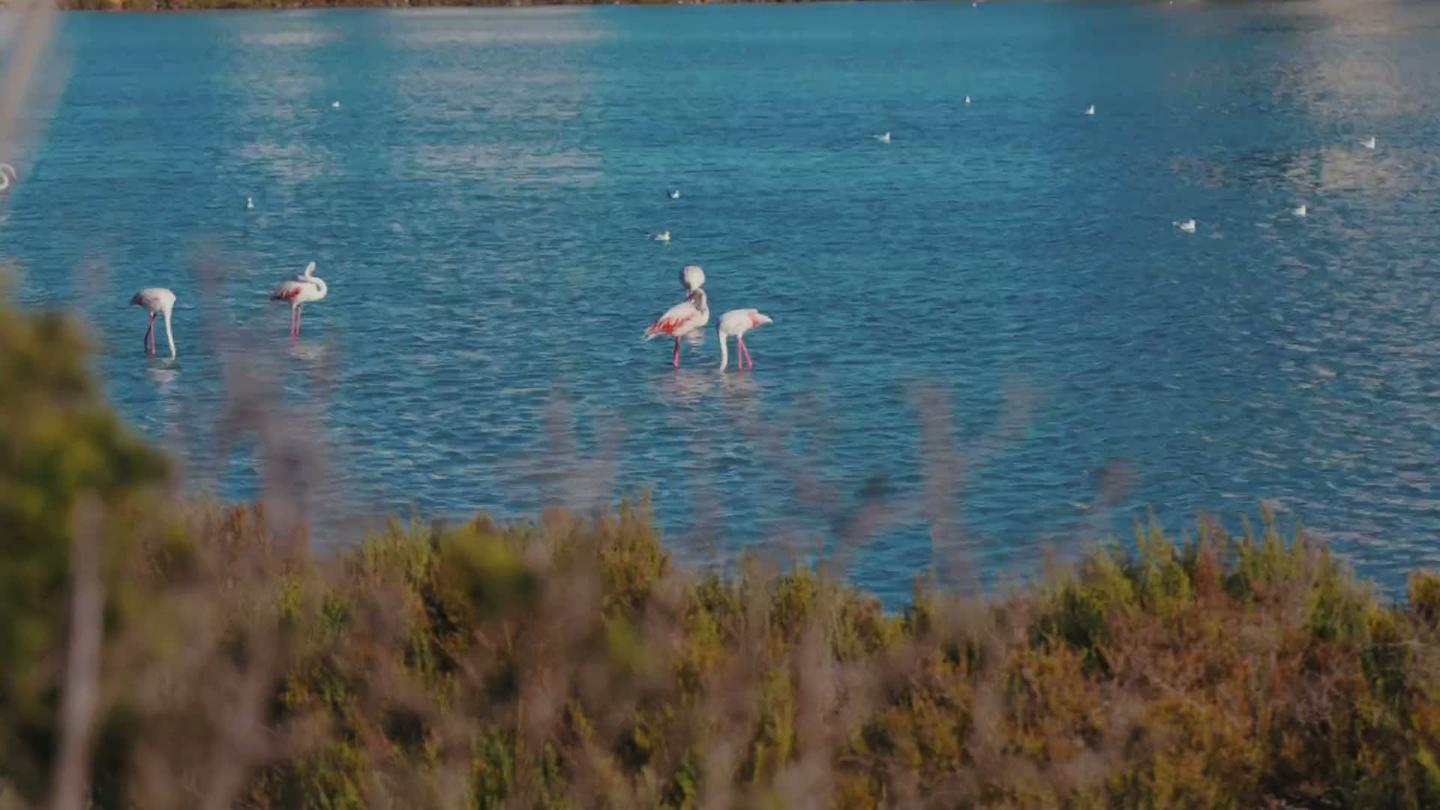
A lagoon formed by a double sandbar next to the Ifach. The Romans took salt and farmed fish here, and salt work only ended in the late 1980s. A birdwatching path runs all the way round; the town counts up to 173 kinds of bird, and you notice the flamingos first.
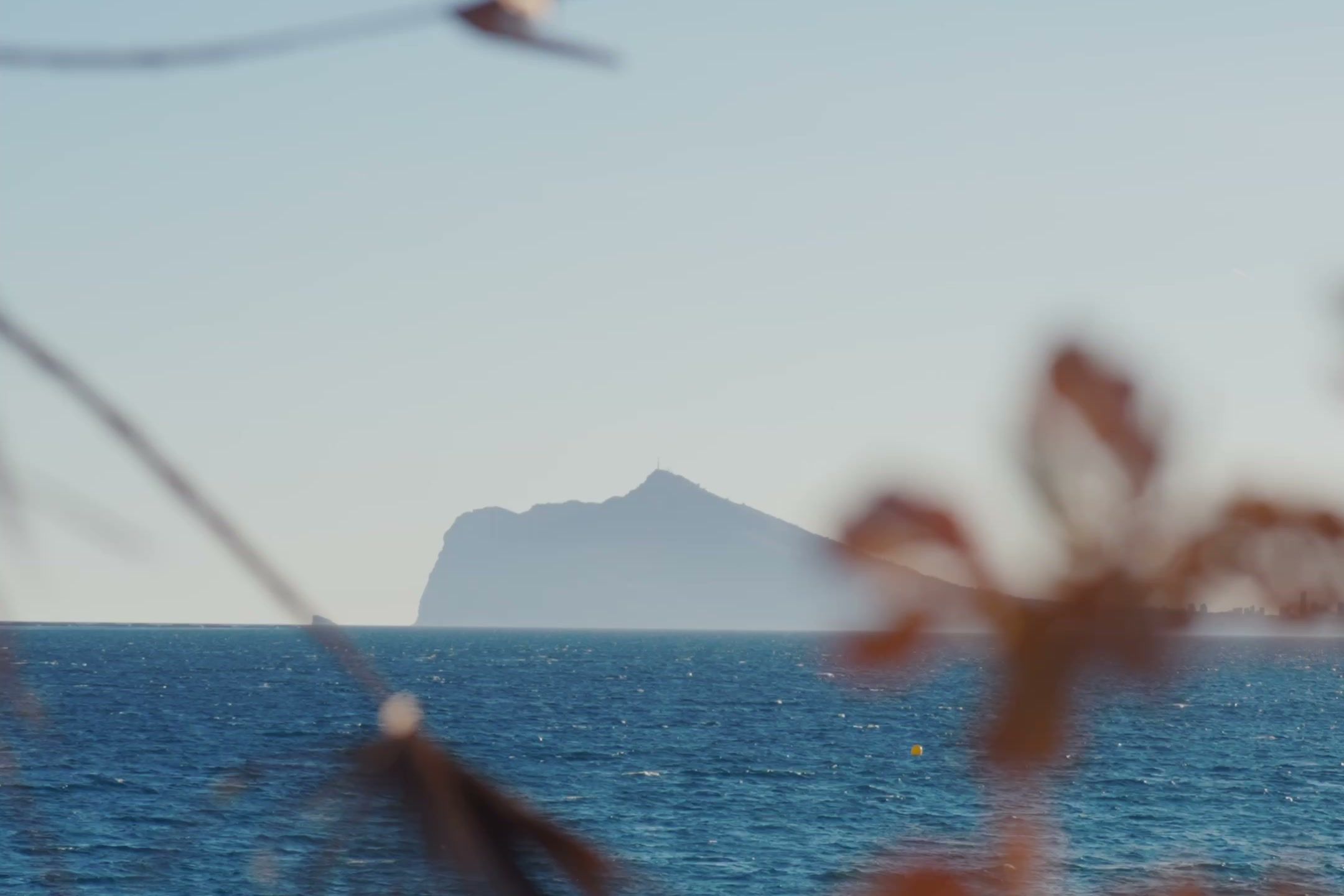
The Ifach
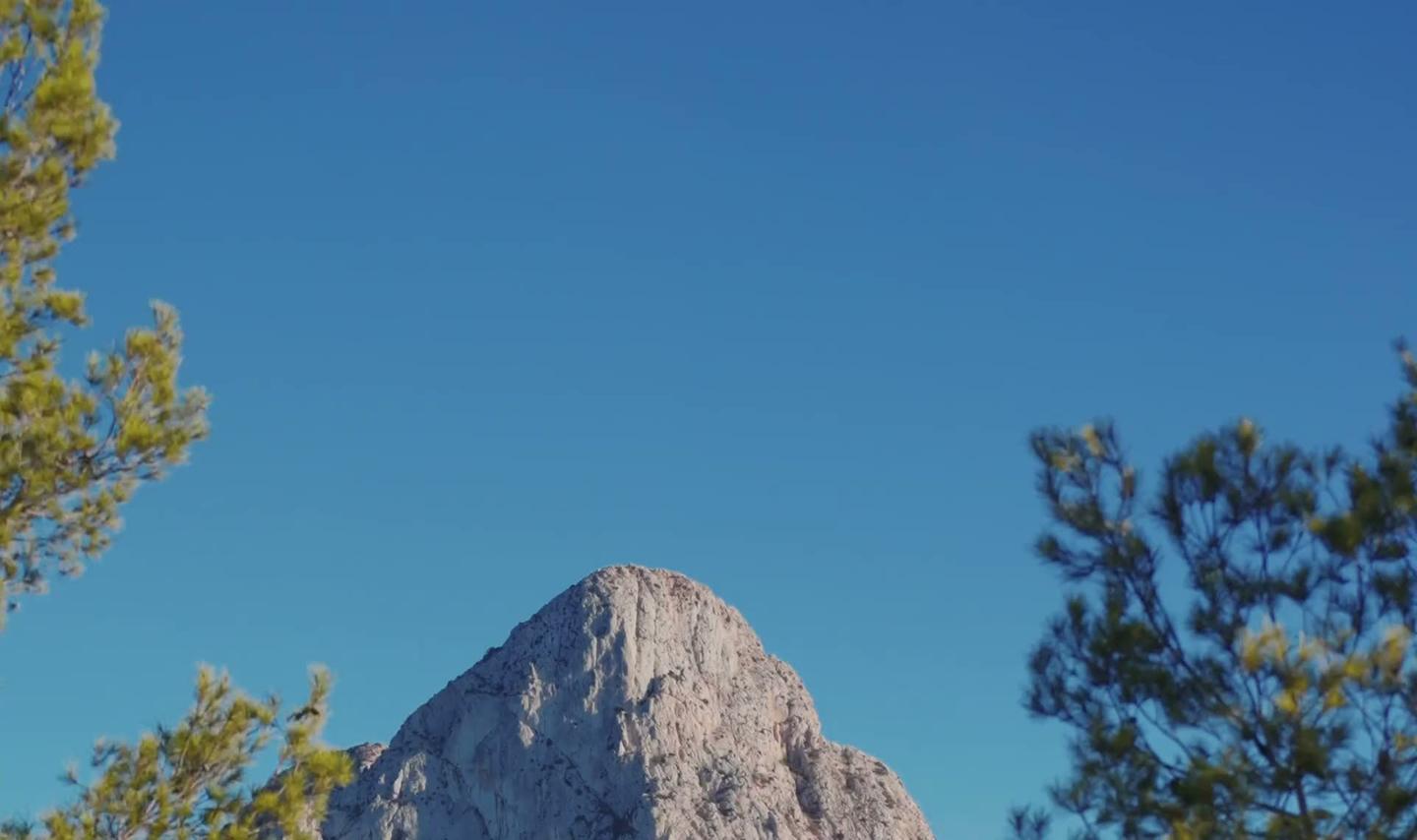
The rock rises 332 metres and has been a natural park since 1987, covered mostly in scrub and Aleppo pines. The path to the top needs a reservation and the park closes at night. Check the current rules on the park's own site before you go.
The old town
Walk past what remains of the town wall and the Torreó de la Peça, where a cannon once stood and the Museo del Coleccionismo now sits. The Iglesia Antigua is Gothic-Mudéjar, built in the 15th century on an older chapel. Then find the Forat de la Mar, the gap Calp cut in the wall once the pirates stopped coming.
Fourteen beaches
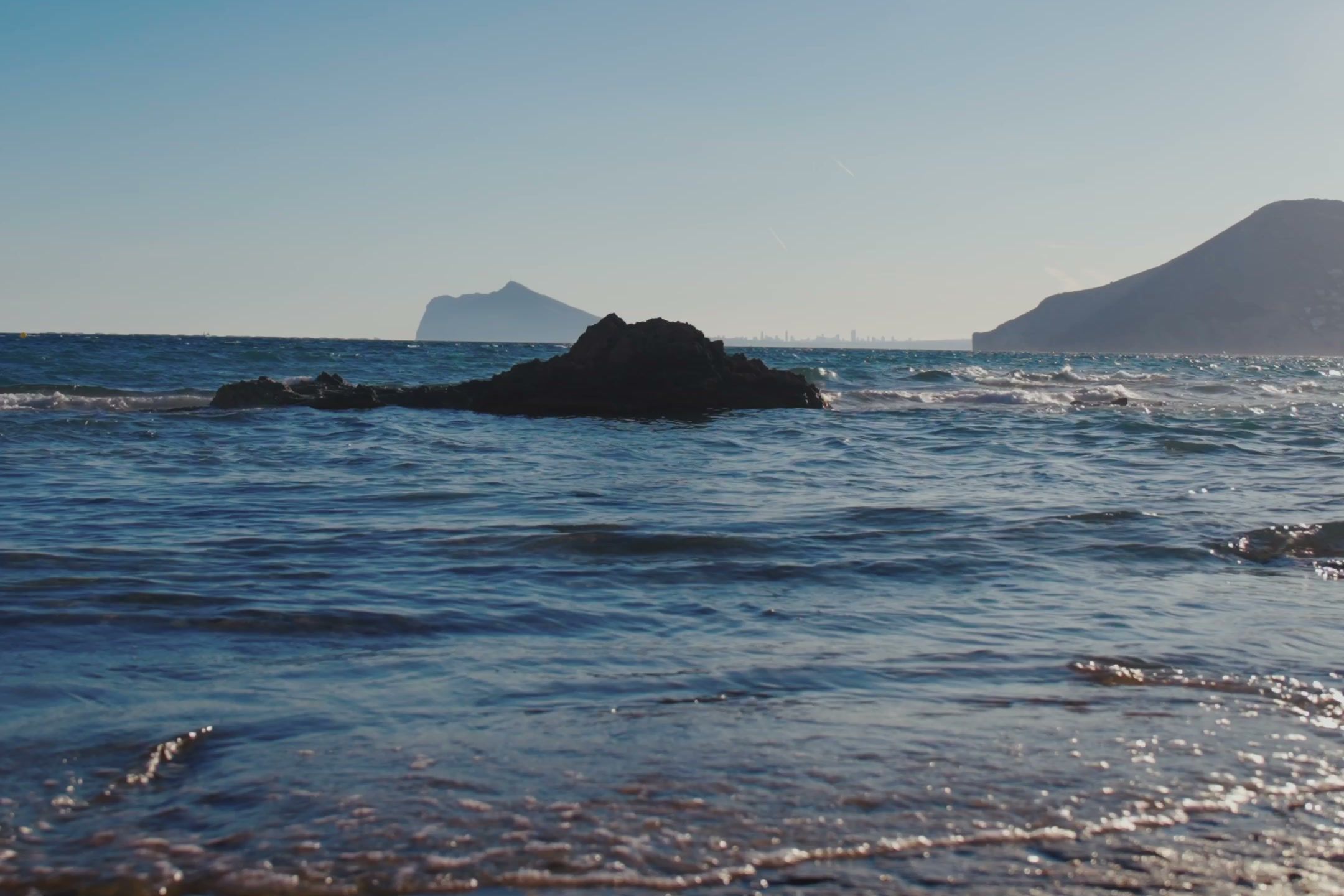
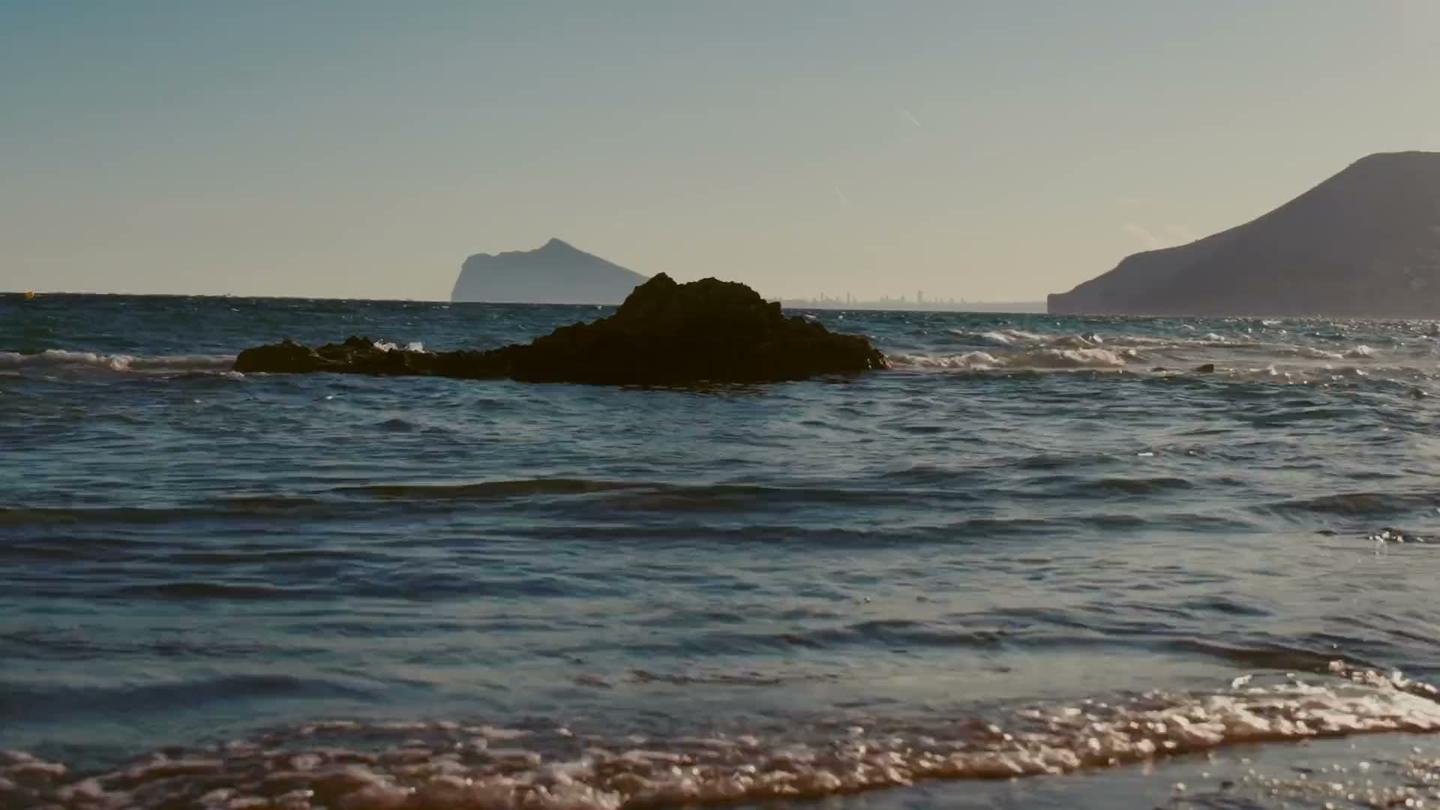
Calp has 13 km of coast with 14 beaches and coves. By bike, try Arenal-Bol, 1,200 metres long and 40 wide. Three marinas share more than 400 berths.
Rice and the fish auction
Calp has two rice dishes of its own: llauna de Calp and arròs del senyoret, made with seafood that comes already peeled. The fish comes from the port, where the fishermen's guild auctions the catch Monday to Friday around 17:00. You can watch from the walkway: anchovies, sardines, red mullet, langoustines.
2,850 hours of sun
The region gets around 2,850 hours of sun a year, measured by AEMET at Alicante. In spring the average high runs from about 20 to 24 °C.
Book a room